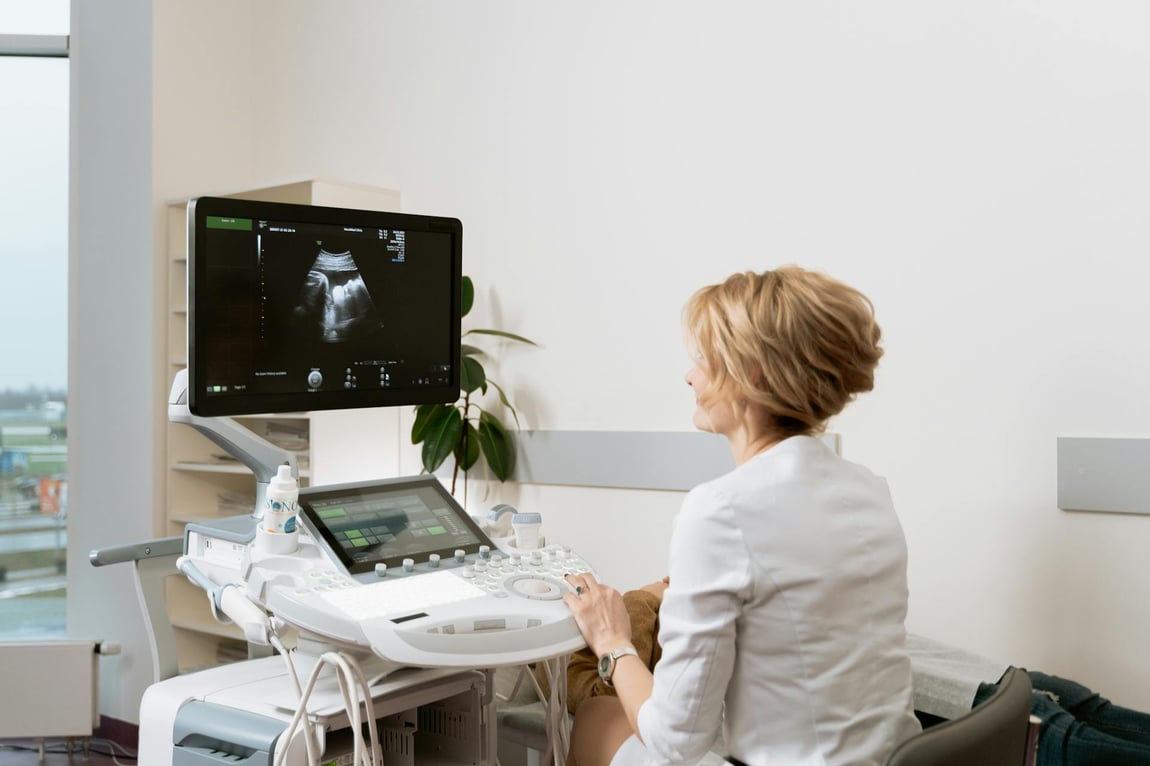
Healthcare leaders across the country are facing a difficult reality: imaging demand continues to grow while the supply of qualified technologists struggles to keep up. For hospitals, imaging centers, and health systems, even a short-term staffing gap can quickly disrupt hospital imaging operations, delay diagnoses, and create bottlenecks throughout the care continuum.
Maintaining imaging quality during staffing shortages requires more than temporary fixes. It requires flexible access to licensed, qualified imaging professionals, faster operational response times, and technology that helps departments stay fully functional even when internal resources are stretched.
This is where a new model for imaging staffing is transforming how healthcare facilities maintain operational continuity.
Importantly, this approach is not traditional staffing. Instead, it leverages a tech-enabled talent sharing platform that connects healthcare facilities with credentialed imaging professionals on demand. Allowing hospitals to maintain imaging quality without relying on slow, outdated staffing methods.
The Growing Impact of Imaging Staffing Shortages
Radiology departments are at the center of modern healthcare. From emergency diagnostics to routine screenings, imaging plays a critical role in clinical decision-making.
But nationwide shortages of technologists, combined with burnout, retirements, and increased patient volumes, are placing enormous pressure on hospital imaging operations.
Common challenges include:
- Delayed imaging studies due to limited technologist availability
- Increased overtime for existing staff
- Reduced radiology department efficiency
- Longer patient wait times
- Risk of diverting patients (and revenue) or delaying care
These issues are especially challenging in emergency departments and smaller hospitals where imaging resources are already limited.
Facilities often attempt to solve the problem with traditional staffing agencies, but those models are typically slow, expensive, and inflexible. By the time a contract technologist arrives, the immediate operational gap may have already caused significant disruption.
Why Traditional Staffing Models Fall Short
Traditional healthcare staffing agencies were designed for long-term placements, not real-time operational support.
When a hospital needs PRN tech coverage or last-minute emergency imaging staffing, waiting hours or days for a staffing agency to respond simply isn't practical.
Common limitations of traditional staffing include:
- Long onboarding timelines
- Limited access to specialized technologists
- Contract minimums and rigid schedules
- High placement fees
- Lack of real-time availability
Most importantly, these models were never designed to support the dynamic needs of modern hospital imaging operations.
Healthcare organizations need a faster, more flexible way to access imaging professionals when and where they’re needed.
A Technology-Enabled Approach to Imaging Staffing
Instead of relying on traditional staffing agencies, forward-thinking health systems are turning to Roshal Health. A technology-enabled talent sharing platforms that connect facilities with qualified imaging professionals on-demand in 60 minutes or less.
This model allows hospitals to request credentialed technologists in real time. Whether for a single study, a short shift, or ongoing coverage, Roshal guarantees a tech will be inside your facility and ready to begin working with patients in under 1 hour.
Roshal Health enables facilities to access a nationwide network of imaging professionals without the delays of traditional staffing agencies.
Because the platform is technology-driven, hospitals can quickly match with available technologists based on:
- Modality
- Location
- Availability
- Credentials
- Compliance requirements
The result is faster access to talent and more resilient hospital imaging operations.
Most importantly, it allows healthcare organizations to maintain quality without overburdening their existing teams.
Supporting Different Types of Hospitals and Health Systems
Every healthcare facility faces unique operational challenges when it comes to imaging staffing. A technology-enabled model provides the flexibility to support different types of organizations across the care continuum.
Large Hospital Systems
Large health systems often operate multiple hospitals and outpatient imaging centers, each with different staffing demands. Unexpected absences, patient surges, or expansion into new service lines can create gaps that affect radiology department efficiency.
With an on-demand platform, health systems can quickly secure PRN tech coverage across locations without relying on lengthy agency contracts.
This allows system leaders to:
- Maintain imaging throughput
- Reduce staff burnout
- Ensure consistent patient care across facilities
Instead of scrambling to fill shifts, leaders gain a reliable operational safety net.
Emergency Departments
Emergency departments rely on rapid diagnostic imaging to guide treatment decisions. When imaging staff shortages occur, the impact is immediate.
Without adequate technologist coverage, facilities may struggle to provide timely CT scans, ultrasounds, or X-rays—leading to delays in emergency care.
Access to emergency imaging staffing ensures that emergency departments can maintain continuous imaging availability, even during unexpected staffing gaps.
A technology-enabled network allows facilities to request technologists quickly so emergency imaging services remain uninterrupted.
Rural and Community Hospitals
Staffing shortages are often most severe in rural areas where recruiting specialized imaging professionals can be difficult.
Rural hospitals frequently operate with small teams, making them especially vulnerable when a technologist calls out or leaves the organization.
Flexible rural imaging solutions allow these facilities to maintain imaging access for their communities without needing to hire full-time staff for every modality.
Through a tech-enabled platform, rural hospitals can request credentialed technologists when needed, ensuring patients receive timely diagnostics close to home.
This approach helps preserve essential healthcare services in underserved regions.
Outpatient Imaging Centers
Outpatient imaging centers depend heavily on operational efficiency. Any disruption to technologist availability can lead to canceled appointments, lost revenue, and patient dissatisfaction.
Flexible imaging staffing solutions allow centers to maintain appointment schedules and prevent operational slowdowns.
By accessing technologists on demand, imaging centers can:
- Fill last-minute gaps
- Manage fluctuating patient volumes
- Maintain consistent service levels
This helps organizations sustain radiology department efficiency while delivering a reliable patient experience.
Maintaining Imaging Quality Despite Workforce Challenges
When staffing shortages occur, imaging quality must remain the top priority.
Maintaining high clinical standards requires:
- Credentialed imaging professionals
- Fast response times
- Compliance verification
- Operational flexibility
Technology-enabled platforms provide a structured way to access qualified technologists while maintaining strict credentialing and compliance processes.
By combining technology with a distributed network of professionals, hospitals can maintain imaging quality while adapting to changing workforce conditions.
The Future of Imaging Staffing
Healthcare staffing models are evolving. As workforce shortages continue to impact hospitals nationwide, organizations are moving away from rigid staffing contracts toward more agile solutions.
Technology-enabled talent sharing platforms like Roshal Health represent a new approach to imaging staffing. One that prioritizes speed, flexibility, and operational resilience.
Rather than functioning as a traditional staffing agency, Roshal Health provides a platform that connects healthcare facilities with imaging professionals exactly when they are needed.
This model empowers hospitals to maintain hospital imaging operations, improve radiology department efficiency, and access PRN tech coverage or emergency imaging staffing without the limitations of legacy staffing approaches.
For healthcare leaders navigating today’s workforce challenges, adopting flexible rural imaging solutions and on-demand technologist access can be the difference between operational disruption and seamless patient care.
Learn more about how your health system can begin working with Roshal Health.